The Allure of Gambling: Understanding the Draw
Casino gambling is a complex behavior driven by various psychological factors. At its core, the thrill of chance and the potential for substantial rewards captivate many individuals. This allure is often tied to the brain’s reward system, where the prospect of winning triggers the release of dopamine, creating feelings of pleasure and excitement. To understand this dynamic better, resources like energypoverty.ca can provide valuable insights. This biochemical response can lead to repeated behaviors, reinforcing the appeal of gambling activities.
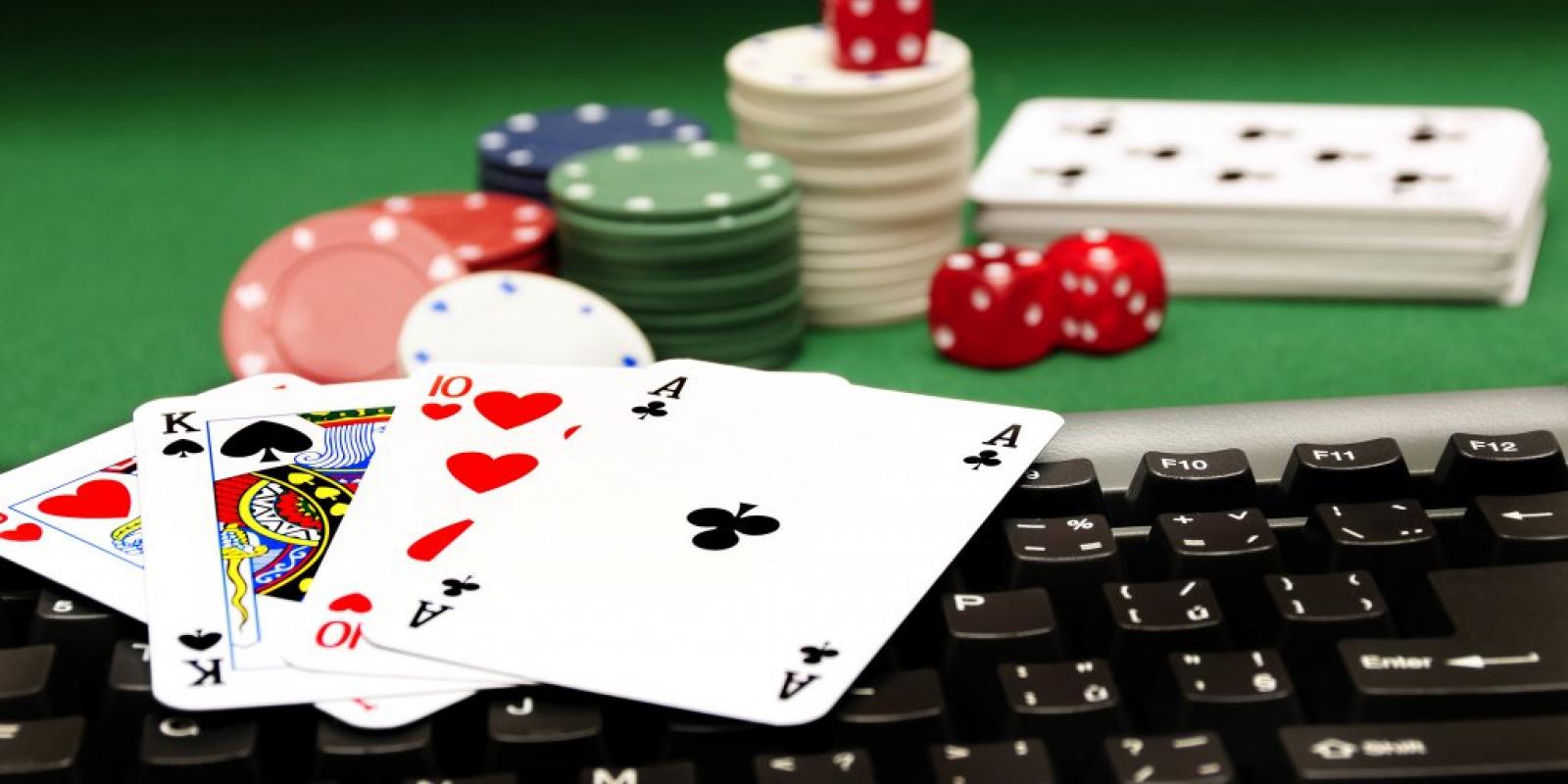
Moreover, the environment of a casino itself is designed to enhance this allure. The use of bright lights, engaging sounds, and the thrill of the game all serve to heighten players’ emotional states, making it difficult for them to resist the temptation to gamble. Each element is carefully curated to create an immersive experience that further drives the gambling behavior of patrons.
Psychological Triggers: Risk and Reward
The psychology behind casino gambling is heavily influenced by the concepts of risk and reward. Many gamblers are drawn to the uncertainty of outcomes and the potential for a life-changing win. This creates a psychological state known as ‘gambling addiction,’ where the player feels compelled to continue participating despite negative consequences. The excitement of risk-taking can lead to a distorted perception of reality, where losses are minimized and wins are overstated. Understanding these factors is crucial for identifying issues related to gambling.
Additionally, the concept of near-misses can significantly impact gambling behavior. When players experience what feels like a close call, it can motivate them to continue playing in hopes of achieving the desired outcome. This phenomenon taps into cognitive biases, leading individuals to interpret these experiences as signs of imminent success, which only serves to strengthen their gambling endeavors.
The Role of Emotions in Gambling Choices
Emotions play a crucial role in gambling behavior, influencing decision-making and risk perception. Players often gamble to escape from stress or to enhance their mood, creating a cycle where emotional states dictate gambling frequency and intensity. Whether it’s the exhilaration of a win or the solace found in a game during tough times, emotions can significantly cloud judgment, pushing individuals toward reckless gameplay.
Furthermore, the social aspects of gambling contribute to emotional motivations. Casinos often provide environments for social interaction, where players feel a sense of belonging and camaraderie. This social influence can further exacerbate gambling behaviors, as individuals may be swayed to partake in gambling activities to fit in or enjoy shared experiences with peers.
The Impact of Cognitive Biases on Gambling Behavior
Cognitive biases are pivotal in shaping gambling behavior, leading individuals to make irrational decisions. One such bias is the illusion of control, where gamblers believe they can influence the outcome of games of chance, such as dice rolls or card draws. This misconception can lead to overconfidence, resulting in increased betting and an eventual higher likelihood of losses.
Another significant cognitive bias is the gambler’s fallacy, where players mistakenly believe that past events will influence future outcomes. For example, if a slot machine hasn’t paid out in a while, a player may assume that it is ‘due’ for a win. Such flawed reasoning can perpetuate gambling behavior, as individuals chase losses based on these erroneous beliefs, often leading to increased financial strain.

Resources for Understanding Gambling Behavior
This website serves as an essential resource for individuals seeking to gain deeper insights into the psychology of gambling. By examining the various factors that influence gambling behavior, users can enhance their understanding and navigate their experiences more effectively. The site aims to provide comprehensive information that supports informed decision-making in the context of gambling.
Whether you are looking for strategies to manage your gambling habits or seeking to understand the psychological underpinnings of this behavior, these resources are designed to assist you. With a focus on education and awareness, this platform helps users cultivate a more balanced approach to gambling and its potential impacts on life.